Exotic Bet Bankroll Management: Sizing Stakes Without Blowing Your Budget
 Available in US
I blew my entire monthly exotic budget in a single afternoon at York in 2018. Three Trifecta boxes, two Placepot perms, and an ambitious Scoop6 entry – all on the same Saturday. Not one of them returned a penny. The damage was not the money itself; it was the realisation that I had no system for deciding how much to spend, when to stop, or how to size individual bets relative to my total budget. I had been treating exotic betting like a shopping trip rather than an investment discipline. Everything I know about exotic bankroll management was born from the wreckage of that afternoon.
The Percentage Method: Allocating Bankroll to Exotic Bets
The simplest framework I have found – and the one I still use – is percentage allocation. You set a total bankroll for a defined period (typically a month or a season), decide what proportion goes to exotic bets versus straight bets, and never exceed that allocation regardless of how confident you feel about a particular card.
My split is roughly 30% exotic, 70% straight. That ratio reflects the reality that exotic bets are higher variance – longer losing runs punctuated by occasional large payouts – while straight bets provide steadier, if smaller, returns. The 30% exotic allocation is the portion of my bankroll that I can afford to lose entirely in a bad month without damaging my overall position. If my monthly betting bankroll is £500, that means £150 goes to exotics across the month. Not per week. Not per meeting. Per month.
The specific percentage will vary by punter. Someone who specialises in pool betting and rarely places straight bets might run 50/50 or even 60/40 towards exotics. A win-bet specialist who dabbles in exotics on Saturdays might allocate 15-20%. The critical principle is that the allocation is set before the month starts, not adjusted on the fly. If you find yourself reaching for the Tote app on a Wednesday afternoon to “make back” Saturday’s losses, the system has broken down.
Session Budgets for Meeting-Day Exotic Betting
Within the monthly allocation, I divide the exotic budget into session budgets – one per meeting day. A month with four Saturdays and one Festival might get five session allocations. If my monthly exotic budget is £150, I might allocate £25 per Saturday and £50 for the Festival. The Festival premium reflects the deeper pools and higher dividend potential; the Saturday figure keeps me disciplined on ordinary weekends.
Horseracing bettors are associated with a low rate of problem gambling – 2.8% by PGSI criteria according to Health Survey data – and that low rate is partly because the sport’s community has a long tradition of treating betting as a structured activity rather than an impulse. Session budgets reinforce that structure. When the session budget is spent, the session is over, regardless of what the remaining card looks like.
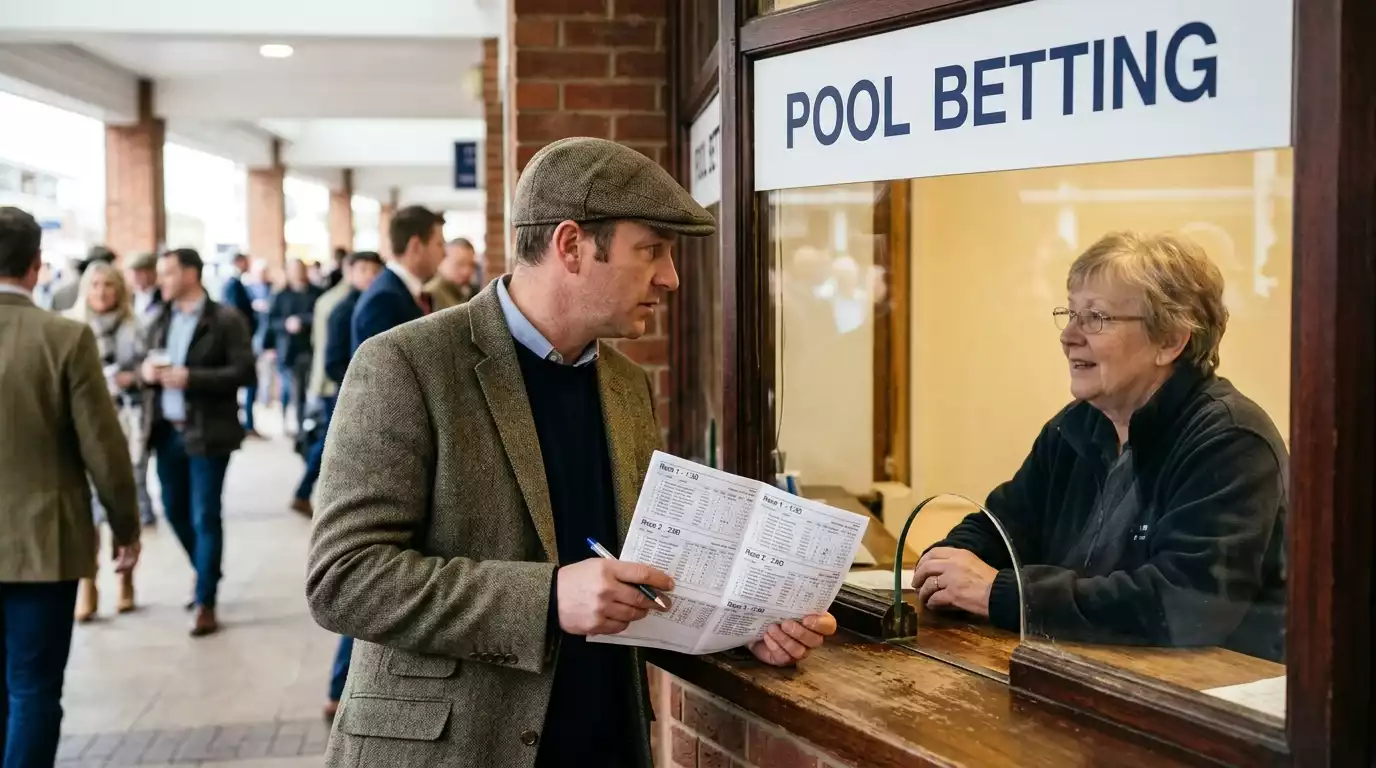
Within each session, I prioritise by product. The Placepot gets first claim because it covers the entire card and provides engagement across every race. A Placepot perm of £10-£15 is my baseline. The remaining session budget goes to one or two single-race exotics – an Exacta or a keyed Trifecta on the race where I have the strongest form opinion. If the Placepot perm absorbs most of the session budget, I skip the single-race exotics rather than overspending.
Balancing Exotic and Straight Bet Allocation
Exotic bets and straight bets serve different functions in a betting portfolio. Straight win and each-way bets are the workhorses – they generate more frequent returns, build the bankroll incrementally, and provide the cash flow that sustains the exotic allocation. Exotics are the optionality – infrequent but potentially large payouts that can transform a season’s bottom line in a single afternoon.
The mistake I see most often is punters raiding their straight-bet bankroll to fund an exotic they are excited about. A big Scoop6 rollover or a Festival Placepot pool can be irresistibly tempting. But shifting money from a disciplined straight-bet approach to an exotic punt is the fastest way to erode your overall position. The exotic allocation exists precisely so that you can play these opportunities without compromising the core bankroll.
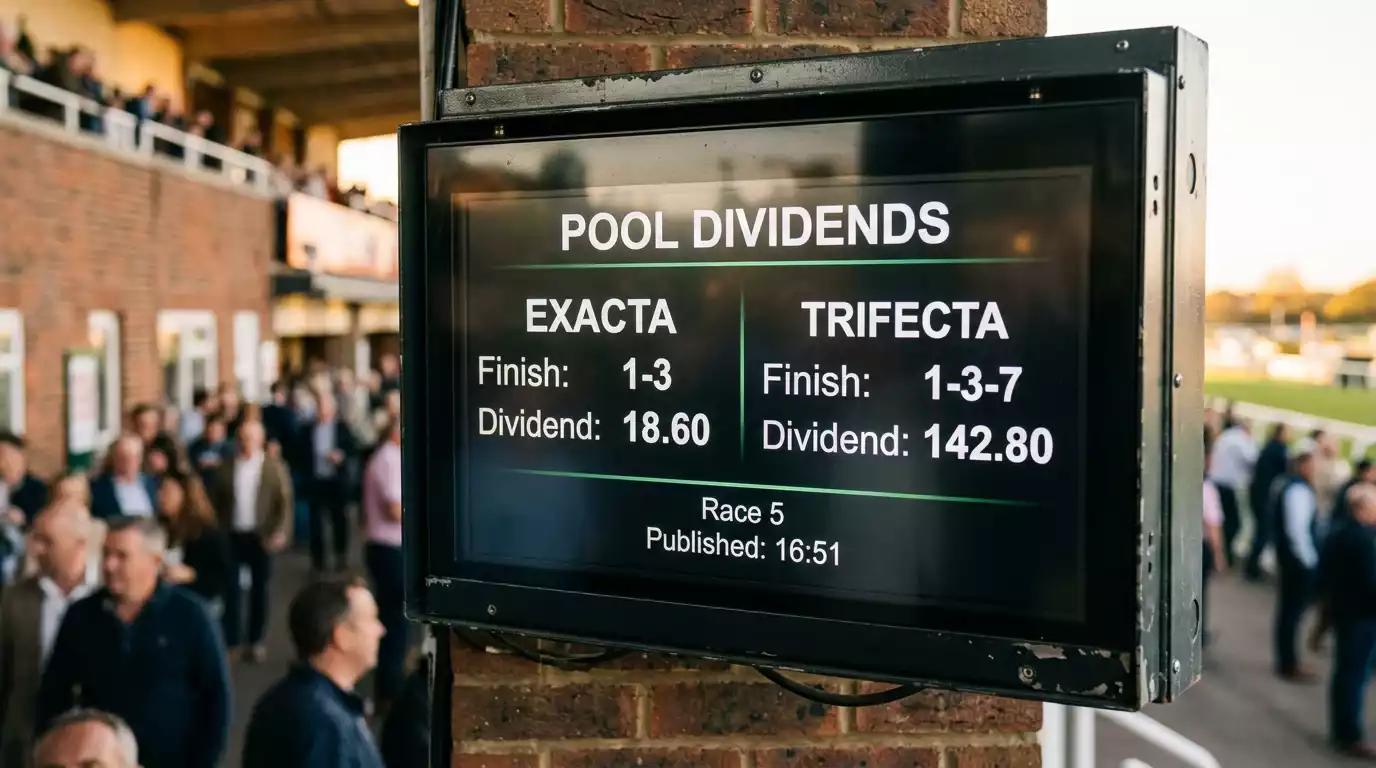
The average Placepot dividend of £407 sounds attractive, but the median is lower and the frequency of landing is modest. Over a season of Saturday Placepots, you might collect three or four times from 30 attempts. Those collections need to exceed the cumulative cost of the 30 attempts – and they usually do, provided the cost per attempt is managed. A £10 Placepot played 30 times costs £300. Three collections at the average of £407 yield £1,221. That is a profitable season – but only if the £300 was genuinely available without cannibalising other parts of the bankroll.
Scaling Stakes to Pool Size and Meeting Quality
Not every meeting deserves the same exotic spend. Alex Frost has emphasised that liquidity is the foundation of effective pool betting, and my staking reflects that principle. Meetings with deep pools – World Pool fixtures, Festivals, Premier Saturdays – get a larger share of the session budget than ordinary midweek cards.
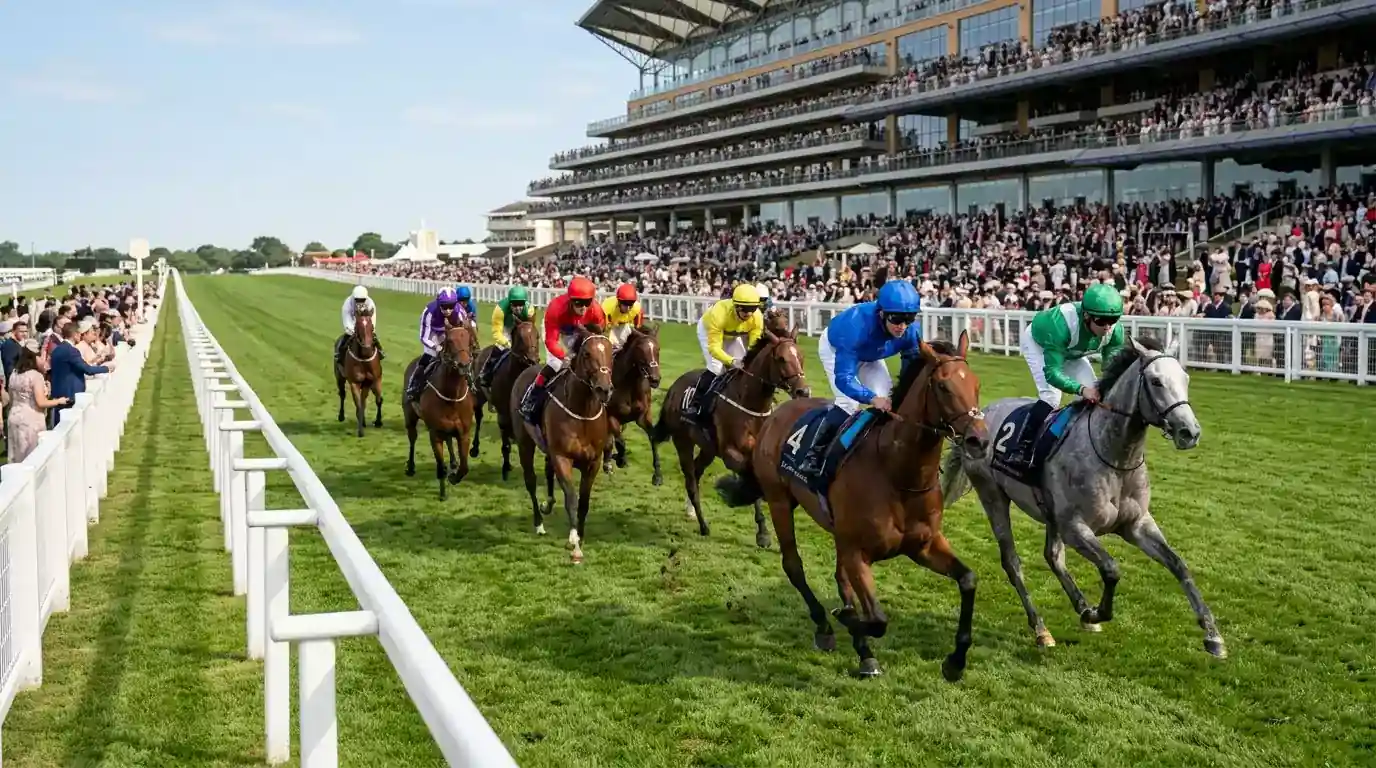
At Royal Ascot 2025, World Pool turnover hit approximately £150 million. The exotic pools at that meeting were orders of magnitude deeper than a standard Saturday at Haydock. My Ascot exotic budget reflects the opportunity: I spend 2-3 times my normal Saturday allocation, because the deeper pools generate larger dividends with more stable payouts. The expected value per pound staked is higher at meetings with meaningful liquidity.
Conversely, I scale down at minor meetings. A Monday at Plumpton with thin Tote pools gets a minimal exotic allocation – perhaps a single-line Placepot at £1 and one £2 Exacta on the best race. There is no point deploying a £20 Trifecta box into a pool that holds £3,000, because the dividend will not reward the investment even if the selection is correct.
The scaling principle is simple: match your stake to the pool’s capacity to reward it. A well-sized exotic bet into a deep pool creates the right ratio of risk to potential return. An oversized exotic bet into a shallow pool creates the opposite. The exotic bet strategy framework connects bankroll sizing to race selection and bet structuring for a complete approach.
How should you split an exotic session budget between Placepot, Trifecta and single-race bets?
A practical split is 50-60% of the session budget to the Placepot, which provides card-wide engagement, and 40-50% to one or two single-race exotics on your strongest form races. If the Placepot perm cost exceeds 60% of the budget, tighten the perm rather than reducing single-race exotic coverage.
Should you increase your Placepot spend at festival meetings?
Yes, within reason. Festival meetings produce deeper pools, higher dead money percentages, and larger dividends. Increasing your Placepot spend by 50-100% at Cheltenham, Royal Ascot, or Aintree is justified by the improved expected value per unit staked. The key is to fund the increase from a dedicated Festival allocation rather than raiding your regular bankroll.
How do you adjust exotic spend when your bankroll shrinks?
Reduce proportionally. If your bankroll drops by 30%, your exotic allocation should drop by 30%. This maintains the same percentage exposure and prevents the common trap of chasing losses with increasingly desperate exotic bets. The monthly allocation resets at the start of each period based on the current bankroll, not the original starting figure.
Prepared by the Exotic Bets Horse Racing editorial staff.